Cute Tiger: Strategic Applications for Branding and Creative Projects
In the competitive landscape of digital design and physical product creation, visual assets are rarely just decorative elements; they are strategic tools that communicate brand personality, evoke emotional responses, and drive engagement. The Cute Tiger illustration represents more than a simple graphic; it is a versatile asset designed to bridge the gap between playful aesthetics and professional application. For entrepreneurs, educators, and creators, understanding how to leverage this specific style of kawaii imagery can significantly enhance project outcomes, from nursery decor to sophisticated sublimation products.
This article explores the strategic utility of the Cute Tiger clipart, examining its role in branding, customer experience, and operational efficiency. By moving beyond superficial appreciation of its "adorable" qualities, we can analyze how high-quality PNG designs contribute to long-term business goals and creative consistency.
Defining the Asset: More Than Just Aesthetics
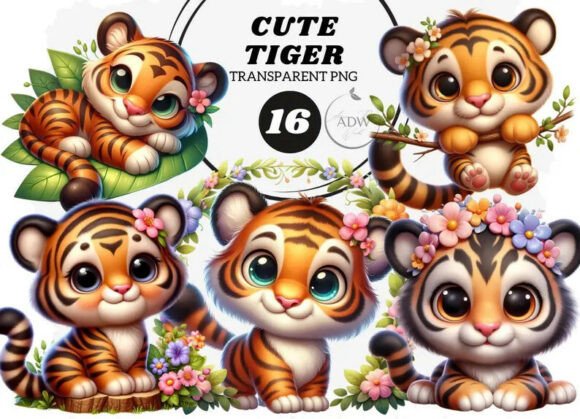
The Cute Tiger is characterized by a sweet kawaii style, featuring playful cartoon elements and bright jungle vibes. Technically, it is delivered as a high-quality PNG, which implies transparency and ease of integration into various design software. This format is critical for professionals who require seamless layering without background interference, particularly in sublimation printing, sticker creation, and digital mockups.
From a strategic perspective, the value of this asset lies in its dual appeal. It resonates with children through its approachable, non-threatening depiction of a wild animal, while simultaneously appealing to adults who appreciate the trending "kawaii" aesthetic. This broad demographic reach makes it a prudent choice for businesses targeting family-oriented markets, educational sectors, or lifestyle brands seeking to inject warmth and approachability into their visual identity.
Strategic Positioning and Brand Communication
Effective branding relies on consistent visual language. When incorporating the Cute Tiger into your portfolio or product line, consider what narrative you are constructing. Is your brand positioning itself as fun, adventurous, and safe? Or is it aiming for a tropical, exotic, yet accessible vibe?
For small business owners and marketers, the decision to use such an illustration should align with broader communication goals. For instance, a baby shower invitation suite using this tiger illustration signals a celebration of new life with a touch of wild adventure, softening the intensity of traditional safari themes. Similarly, nursery decor featuring this character creates an environment that is stimulating yet calming, a key consideration for parents making purchasing decisions.
Key Considerations for Brand Alignment:
- Tone Consistency: Ensure the playful nature of the tiger matches your brand voice. If your brand is strictly corporate or minimalist, this asset may create cognitive dissonance.
- Target Audience Resonance: Analyze whether your customers respond to kawaii styles. Data suggests strong engagement in markets focused on children, pets, and lifestyle wellness.
- Differentiation: Use the unique "bright jungle vibes" to stand out from generic black-and-white tiger illustrations commonly found in stock libraries.
Operational Efficiency in Creative Workflows
Time is a finite resource for freelancers, hobbyists, and agency teams. High-quality pre-made assets like the Cute Tiger clipart serve as force multipliers for productivity. Instead of commissioning custom illustrations for every project, creators can utilize this versatile design across multiple touchpoints, ensuring visual coherence while reducing production time.
Consider the workflow for a print-on-demand entrepreneur. By integrating this PNG into templates for t-shirts, mugs, and tote bags, one can rapidly test market demand for jungle-themed products. The transparency of the PNG file allows for immediate placement on colored fabrics without extensive editing, streamlining the path from concept to listing.
For educators and publishers, the asset supports rapid content creation. Worksheets, reward charts, and classroom decorations can be produced quickly, allowing professionals to focus on pedagogical strategy rather than graphic design intricacies. This operational efficiency translates directly to better resource allocation and potentially higher profit margins.
Practical Use Cases and Decision-Making Guidance
To maximize the return on investment for this digital asset, it is essential to apply it intentionally. Random usage dilutes impact; strategic deployment amplifies it. Below are practical scenarios where the Cute Tiger adds tangible value.
1. Sublimation and Physical Products
Sublimation requires high-resolution images to prevent pixelation during the heat transfer process. The Cute Tiger is optimized for this, ensuring crisp lines on textiles and hard surfaces. Entrepreneurs should prioritize products where the "cute" factor drives impulse buys, such as:
- Kids’ apparel and accessories.
- Personalized water bottles and lunchboxes.
- Home decor items like throw pillows and wall art.
2. Digital Marketing and Social Media
In the digital realm, attention is scarce. The bright colors and expressive features of the tiger illustration can stop the scroll on platforms like Instagram and Pinterest. Marketers can use the asset in carousel posts explaining jungle facts, creating a cohesive visual theme that encourages saves and shares. This builds community engagement and establishes authority in niche interests like animal education or tropical travel.
3. Event Planning and Invitations
For party planners and stationery designers, the asset offers a ready-made theme anchor. Whether for a first birthday or a zoo-themed corporate event, the illustration provides a friendly face that invites participation. Designers should pair the tiger with complementary fonts and color palettes—such as lush greens and warm oranges—to enhance the tropical artwork feel without overwhelming the viewer.
Risks of Unintentional Usage
While the Cute Tiger is a powerful tool, relying on it without clear goals can lead to diminished returns. One common risk is contextual mismatch. Using a kawaii tiger in a serious conservation campaign might trivialize the message, whereas using it in a high-end luxury brand context could undermine perceived value. Decision-makers must evaluate the appropriateness of the style for each specific campaign.
Another risk is market saturation. Because kawaii styles are popular, there is a danger of blending in if the asset is not used creatively. To mitigate this, creators should combine the tiger illustration with unique typography, custom backgrounds, or interactive elements. The goal is to use the asset as a component of a larger, distinctive design system, not as the sole differentiator.
Furthermore, ignoring licensing terms can have legal repercussions. Always verify the usage rights associated with the PNG design, especially for commercial projects. Understanding these boundaries is part of responsible business operations and protects long-term viability.
Long-Term Value and Customer Experience
Beyond immediate projects, the consistent use of well-chosen assets like the Cute Tiger contributes to brand equity. Customers develop associations with visual cues. A recurring character can become a mascot, fostering loyalty and recognition over time. For businesses in the children’s sector, this emotional connection is invaluable.
Moreover, high-quality visuals enhance the perceived value of products. A t-shirt featuring a crisp, professionally integrated tiger illustration commands a higher price point than one with a blurry, poorly placed graphic. This attention to detail signals professionalism and care, directly influencing customer satisfaction and repeat purchase rates.
For educators, consistent visual themes aid in learning retention. Children recognize familiar characters, making educational materials more engaging and less intimidating. This psychological benefit supports better learning outcomes, aligning creative choices with educational objectives.
Conclusion: Intentional Creativity for Better Results
The Cute Tiger clipart is not merely a decorative item; it is a strategic resource for those who understand its potential. By aligning its use with clear business goals, optimizing workflows for efficiency, and considering the psychological impact on the target audience, creators and entrepreneurs can achieve superior results. Whether enhancing nursery decor, launching a sublimation product line, or designing engaging educational materials, the key lies in intentional application.
Approach this asset with the mindset of a practitioner: evaluate its fit, plan its integration, and measure its impact. In doing so, you transform a simple image into a driver of growth, engagement, and long-term success. Let the cheerful, adventurous spirit of the tiger inspire not just creativity, but strategic clarity in your next project.